
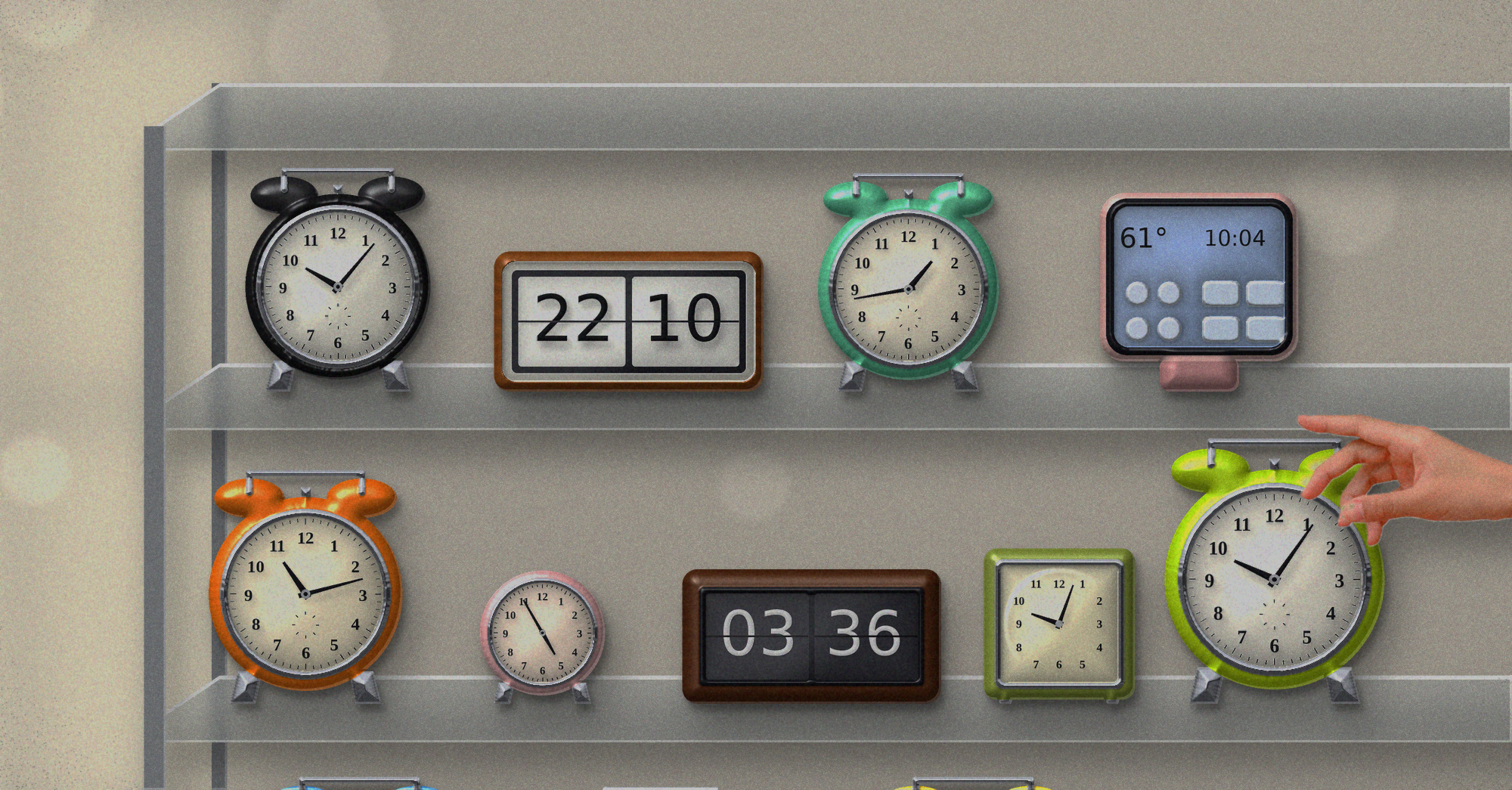
How can AI save me time in a small business? 5 places it saves the most
Wondering how AI can save you time as a small business? It saves the most on repeated work that follows clear rules, such as reporting, data entry, follow-ups, first drafts, and sorting incoming requests, because that is where people spend hours doing the same thing the same way every week.
Most owners already sense where their team loses time, even if they have never added it up. The trick is to turn that feeling into a short list of specific tasks, so that the first thing you automate is the one that gives hours back, not the one that sounds most impressive.
Five places AI saves a small business time
| Where time goes | What AI can do | How to measure it |
|---|---|---|
| Rebuilding the same report | Pull the numbers together and draft the summary for a person to review | Hours spent per report, and how often it goes out on time |
| Copying information between systems | Move names, dates, and amounts from one place to another | Minutes per entry, and the number of corrections |
| Chasing follow-ups | Draft reminders and flag what is overdue | Days between request and reply |
| Starting from a blank page | Produce a first draft that a person edits | Time from request to approved version |
| Sorting and routing requests | Group incoming messages by topic or urgency | Time until the right person responds |
Where AI saves little time
Work that depends on judgment, on a relationship, or on rules that change every week saves much less, because a person has to check or redo most of it. Tasks you perform only a few times a year also tend to cost more to set up than they return. Leaving these alone is part of choosing well, and post 1 walks through how to decide.
How to find where AI can save your team the most time
Ask each person on your team to note, for one week, the tasks they repeat and about how long each takes. Then multiply the minutes by how often the task happens, and sort the list from the largest total to the smallest. The top three items are your candidates, and the best of them is the one with clear rules and inputs that already exist in one place.
Why time matters beyond the hours
Repeated manual work is also a frustration for the people who do it, and a team that spends its week copying and chasing has less room for the work that needs a person. For that reason, time saved can protect your team’s energy and your customer service as well as your schedule, provided the hours move to something worth doing.
How to measure how much time AI saves
Whichever task you choose, record how long it takes today before you change anything, because that number is the only way to prove the improvement later.
Frequently asked questions
How can AI save me time as a small business? It handles repeated, rule-following work such as reports, data entry, follow-ups, first drafts, and sorting requests, so that your team spends its hours on work that needs a person.
Which tasks should I automate first? Start with the task that repeats most often, has clear rules, and starts from information you already have, since that combination gives the fastest and most visible return.
How do I know how much time AI saved? Time the task before the change and again after it, using the same method both times, and compare the totals.
Will AI replace my employees? In the examples above AI takes over repeated steps and leaves judgment and relationships with people, so the practical question is what your team can do with the hours it gets back.
Corymb builds custom tools and automation around how people already work. Every engagement starts with a conversation about the problem.
discovery@corymb.ai.
What would you do with the time you're losing to broken processes?
Once a month we share what we are learning from real client work, what is new on the blog, and practical thinking on data, AI, and process for small and mid-size businesses. Subscribe to the newsletter so you do not miss it.

Bespoke AI productivity partners.
©2026 Corymb, LLC · Founded 2026 · Lafayette, Colorado.
There is something
we want to show you.
We put together a short guide on the real reasons most teams still haven't adopted AI, and what actually helps them get past it.
No spam, and you can unsubscribe any time.