
How to know if AI is working in your business, what to measure and when
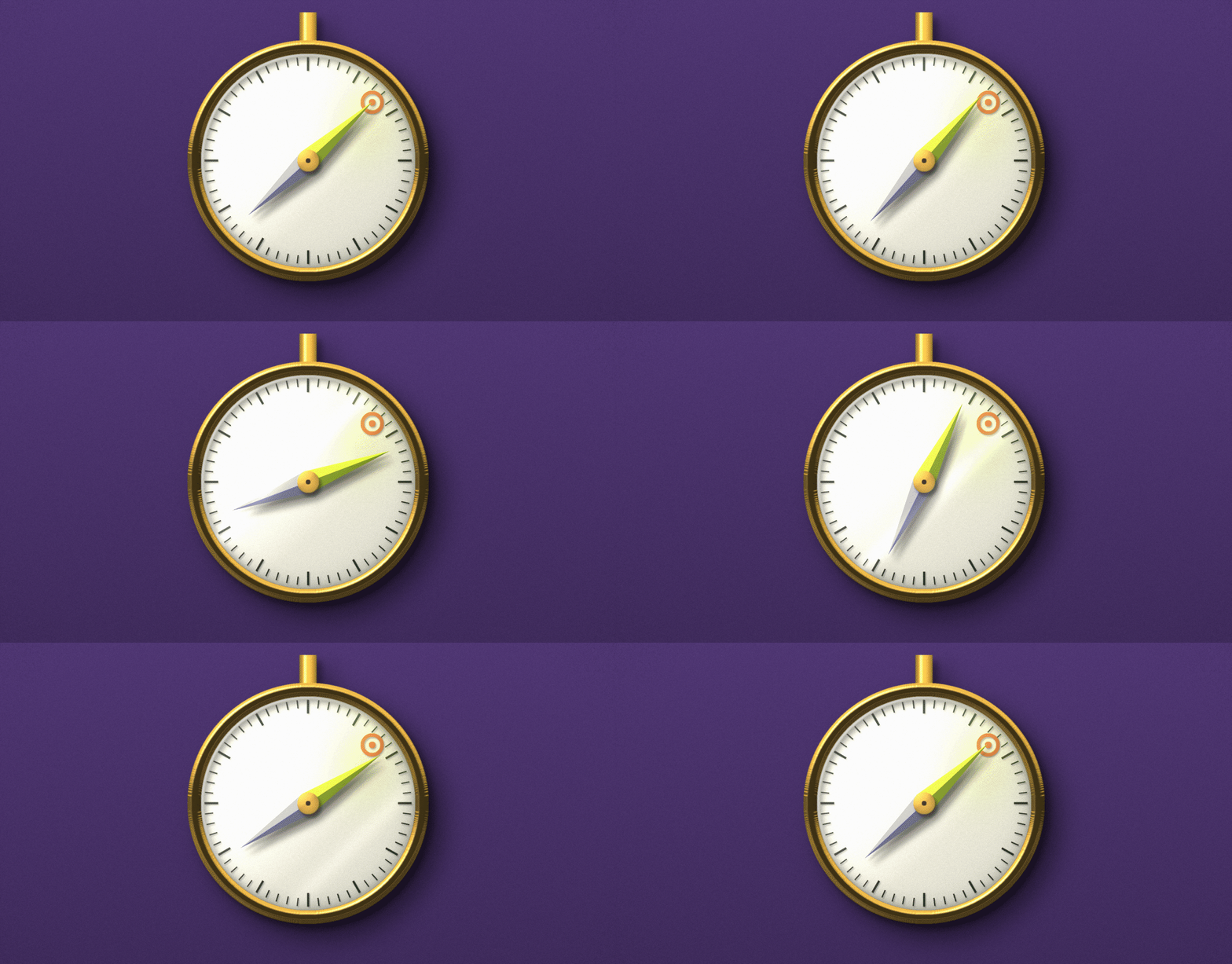
To know if AI is working in your business, compare one or two measures against a baseline you recorded before the change, such as time per task, errors, or turnaround, and check them at 30 days and again at 90. If the numbers moved and your team still uses the tool, it is working, and if either one did not happen, you have found what to fix.
Many owners have already invested in a tool or a process and then had no clear way to tell whether it was paying off, which is an uncomfortable place to be because every option feels like a guess. A simple check, set up before the change begins, removes most of that doubt.
Record a baseline before you ask if AI is working
Before anything changes, write down how the task works today, including how long it takes, how often it happens, and how many mistakes or corrections it involves. Without that baseline you can only say that the new way feels better, and a feeling will not help you decide whether to continue or to invest in the next project. Post 5 shows how to time a task in a way you can repeat later.
Pick one or two measures
Choose the measures that match the reason you made the change, and resist the urge to track everything.
| If the goal was | Measure | Where to find it |
|---|---|---|
| Saving time | Hours per task or per week | A simple time log kept by the person who does the work |
| Fewer mistakes | Corrections or rework per week | A tally kept by whoever reviews the result |
| Faster response | Days or hours between request and reply | Timestamps in your inbox or ticket system |
| More consistent output | How often the result needs a rewrite | A weekly sample of five items checked by a person |
How to know if AI is working at 30 days and at 90
At 30 days you are looking for early signs: whether the tool is being used, whether the corrections are shrinking, and whether the person doing the work finds it easier. At 90 days you are looking for the result you set out to get, which is the measure you picked moving in the right direction and staying there. Putting both dates on the calendar at the start keeps the check from being forgotten, and the first 30 days of a project include setting it up.
Signs AI is working and signs it is not
A change is working when your measure has moved, your team uses the tool without being reminded, and the corrections get smaller over time. It is not working when people quietly go back to the old method, when the output needs the same fixes every time, or when nobody can say what the tool was meant to improve.
What to do when AI is not working
The cause usually falls into one of three groups. The task may have been the wrong one for AI, the inputs may have been messier than expected, or the team may never have been shown how to use it, and each of these has a different fix. Because the answer shapes what you do next, it is worth asking the people who use the tool before you decide to change or stop it. If you would like a second opinion, a discovery call is a good way to talk through what you are seeing.
Frequently asked questions
How do I know if AI is working in my business? Compare one or two measures, such as time per task or corrections per week, against the baseline you recorded before the change, and check whether your team still uses the tool.
How long before I can tell whether it worked? Look for early signs at 30 days and for the full result at 90, since some changes take time to settle in.
What should I measure first? Measure whatever matches your reason for the change, whether that was time, mistakes, speed, or consistency, and keep it to one or two measures.
What if my team stops using the tool? Ask them why before changing anything, because the answer tells you whether the problem is the task, the inputs, or the training.
Corymb builds custom tools and automation around how people already work. Every engagement starts with a conversation about the problem.
discovery@corymb.ai.
What would you do with the time you're losing to broken processes?
Once a month we share what we are learning from real client work, what is new on the blog, and practical thinking on data, AI, and process for small and mid-size businesses. Subscribe to the newsletter so you do not miss it.

Bespoke AI productivity partners.
©2026 Corymb, LLC · Founded 2026 · Lafayette, Colorado.
There is something
we want to show you.
We put together a short guide on the real reasons most teams still haven't adopted AI, and what actually helps them get past it.
No spam, and you can unsubscribe any time.